Transform Your Property with Fresno Home Additions Solutions
How to Select the Right General Contractor for Your Home Renovation Project
Selecting the best construction professional is critical for a successful home renovation. Property owners must evaluate various factors, including experience, qualifications, and communication skills. A carefully considered decision can eliminate unnecessary costs and ensure a more efficient process. However, working through the hiring process can be overwhelming. What specific aspects should one keep in mind? What questions are essential during preliminary meetings? Understanding these elements can significantly influence the renovation experience.
What Experience Do You Need to Look for in a Contractor?
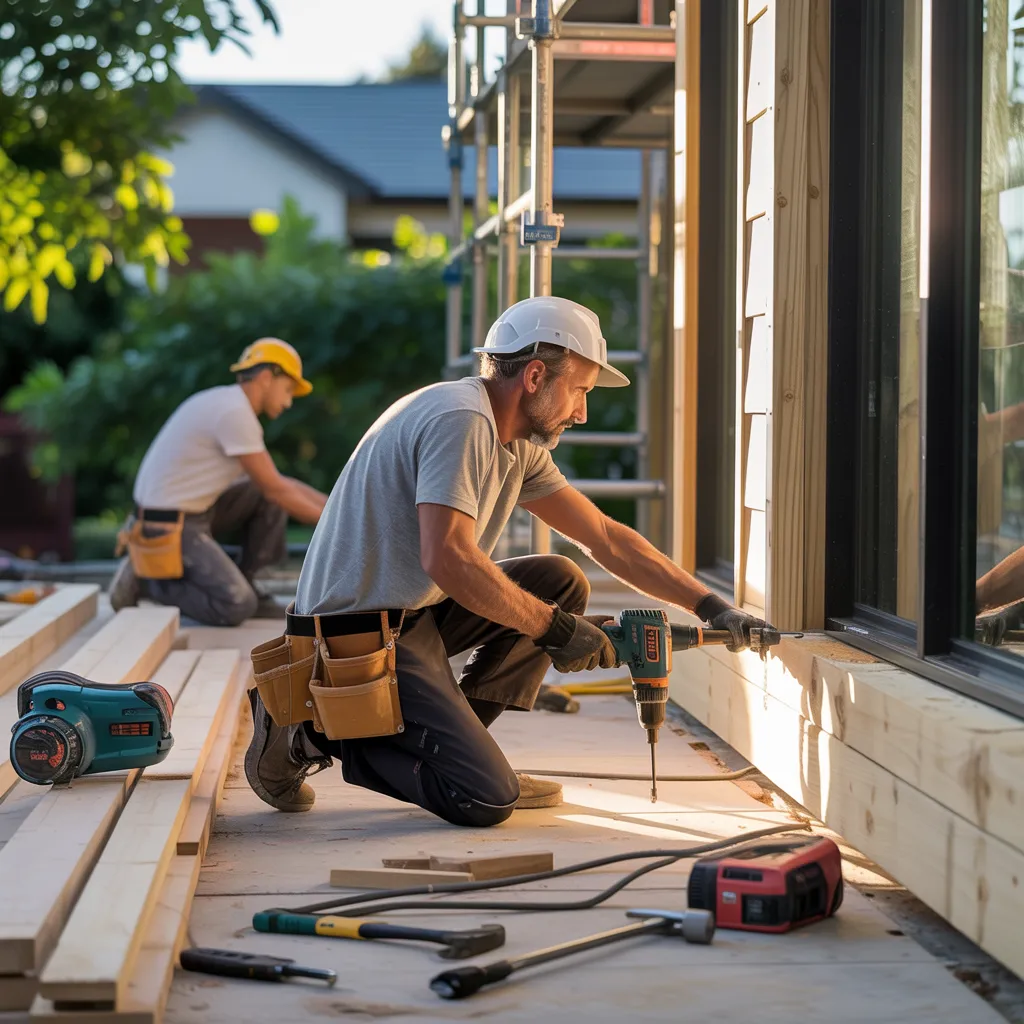
When choosing a professional contractor for residential renovation, it is essential to evaluate their professional background. A contractor's background can strongly affect the overall quality of the renovation project. First, prospective clients should seek contractors with a demonstrated history in related projects, ensuring familiarity with unique challenges and proven solutions.
Moreover, extensive experience can demonstrate a contractor's skill in overseeing timelines, budgets, and subcontractors effectively. It is equally important to ask about their portfolio, featuring prior work that corresponds with the homeowner's desired outcome.
In addition, contractors familiar with regional building codes and guidelines can help prevent possible legal complications. In closing, a contractor's capability to supply references from former clients can give insight into their dependability and professionalism. By thoroughly assessing these factors, homeowners can make a more informed decision when selecting a general contractor for their home renovation project.
How to Confirm a Contractor's Credentials and References
What steps can homeowners take to ensure they are hiring a qualified contractor? Verifying a contractor's credentials and references is essential. Homeowners should first check for proper licensing and insurance, making sure the contractor adheres to local requirements. This verification can usually be performed through state or local licensing authorities. Additionally, confirming that the contractor has liability insurance and worker's compensation coverage protects homeowners from potential liabilities.
Additionally, homeowners should request references from prior clients. A dependable contractor should provide a list of up-to-date projects, along with contact information. Contacting previous clients can uncover useful insights about the contractor's professional standards, responsiveness, and ability to meet timelines.
Online ratings and feedback on platforms such as Yelp or Angie's List may also supply valuable information. Through detailed research and obtaining diverse opinions, homeowners can make an informed decision, improving the chances of a successful remodeling project.
Which Questions Are Important to Ask During the First Consultation?
Upon validating a contractor's qualifications and referrals, homeowners should plan ahead for the initial meeting by developing specific queries. Essential queries should center around the contractor's background in similar undertakings, including schedules and possible obstacles. Homeowners should further question the contractor's strategy for project coordination and updates, confirming they will have access to regular status notifications during the project.
Furthermore, exploring the contractor's chosen subcontractors can shed light on the level of expertise expected. It is important to inquire about the permits needed and how the contractor handles inspections. Homeowners are encouraged to seek clarification on the payment structure and any upfront costs involved. Grasping the contractor's warranty terms and how they handle possible concerns post-completion is vital as well. By posing these focused see more questions, homeowners can determine if the contractor matches their goals and requirements for the remodeling project.
How to Effectively Break Down Project Estimates and Contracts
Analyzing project quotes and agreements is essential for homeowners to comprehend the financial details of their remodeling project. Critical elements such as labor, materials, and timelines play a significant role in the overall cost. Furthermore, reviewing agreement details ensures that all parties have a mutual understanding of responsibilities and requirements.
Key Estimate Components
Comprehending the fundamental parts of project estimates is essential for homeowners embarking on renovations. A detailed estimate usually encompasses workforce costs, materials pricing, and operational charges. Labor expenses represent the compensation for skilled workers, which can vary depending on experience and project complexity. Material expenses should itemize quantities and quality, enabling property owners to gauge overall worth and longevity. Overhead costs, including insurance and permits, provide insight into the contractor's business expenses. Additionally, contingency funds are frequently added to cover unforeseen costs, facilitating a smoother renovation process. Homeowners and property owners should also prioritize a clear payment schedule and timeline to establish expectations. Examining these aspects helps homeowners reach well-informed decisions and supports open communication with their chosen contractor.
Contract Terms Explained
A clear understanding of contract terms is crucial for homeowners overseeing renovation projects. Contracts generally detail the scope of work, payment schedules, and timelines, ensuring all parties are aligned. Homeowners should thoroughly scrutinize the itemized estimates, which provide a detailed breakdown of materials, labor, and permits, providing transparency. Key terms to consider include change orders, which explain how project changes will be managed and billed. Additionally, homeowners should familiarize themselves with warranty terms, which protect against defects in workmanship or materials. Grasping these components allows homeowners to make educated decisions and aids in avoiding conflicts or disputes throughout the renovation, contributing to a more successful renovation outcome. Proper comprehension of contract terms is crucial for a successful collaboration with contractors.
Grasping the Value of Communication Style With Your Contractor?
The effectiveness of a homeowner's communication with their general contractor can considerably affect the results of a home improvement project. An effective communication approach promotes clarity and ensures that both parties are aligned on timelines, budgets, and expectations. Homeowners ought to evaluate how contractors share details, such as through emails, scheduled meetings, or regular project updates.
A professional who pays close attention and responds thoughtfully can help alleviate concerns and handle challenges in a timely manner. Furthermore, it is essential for homeowners to feel confident expressing their ideas and feedback. An open dialogue enables collaboration, which can lead to better decision-making and fresh ideas.
When evaluating potential contractors, homeowners should reflect on how well they can engage in constructive conversations. This compatibility in communication styles can significantly improve the complete renovation process, guaranteeing that the work moves forward efficiently and aligns with the homeowner's expectations. Ultimately, effective communication lays the groundwork for a successful partnership.
What Warning Signs Suggest a Contractor Isn't the Right Fit for You?
Detecting potential red flags in a contractor is essential for a satisfactory renovation. Vague communication methods and a absence of proper credentials can reveal underlying problems that may hinder the overall project. Homeowners should exercise caution to guarantee they engage a dependable contractor for their renovation needs.
Vague Communication Practices
Clear communication acts as the foundation of all successful residential renovation projects. In the process of vetting a general contractor, poor communication habits frequently indicate underlying problems. Red flags include inconsistent messaging, vague answers to inquiries, and difficulty in scheduling meetings. When a contractor regularly misinterprets project specifications or neglects to deliver progress reports, it calls their dedication and dependability into question. Additionally, a lack of transparency regarding timelines, costs, and processes can indicate disorganization or unprofessionalism. Reliable contractors must be ready to elaborate on details and handle concerns without delay. A contractor that evades straightforward dialogue or disregards inquiries likely does not place the homeowner's needs first, putting the project's outcome at risk. Transparent communication is fundamental to fostering trust and securing a successful renovation outcome.
Insufficient Licensing Requirements
Clear communication is essential in establishing an effective partnership with a general contractor, but it is equally important to confirm that the contractor has the necessary credentials. A lack of proper licensing serves as a significant red flag when considering potential contractors. Certified professionals are typically required to comply with specific state regulations, ensuring that they possess the expertise and knowledge necessary to carry out renovation projects safely and effectively. Homeowners must always confirm a contractor's license through official local authorities or online databases. Moreover, a reluctance to provide licensing information or proof of insurance may suggest a lack of professionalism. Confirming that a contractor is fully licensed not only safeguards the homeowner but also supports the overall success of the home renovation project.
Commonly Asked Questions
How Do I Find Out if a Contractor Is Insured?
To determine if a contractor is insured, you should ask for insurance verification, which should include liability and workers' compensation coverage. Verifying these documents ensures that the contractor is held financially accountable for potential damages or accidents.
What Should I Do When a Contractor Misses Deadlines?
Should a contractor overlook scheduled deadlines, the homeowner ought to address concerns openly, check the agreement for specific provisions, and document delays. Looking for a resolution via discussion or professional mediation can help clarify expectations and maintain project progress.
What Are My Options for Handling Contractor Disputes?
To address disagreements with a contractor, individuals should document all communications, clearly express concerns, and seek resolution through dialogue. If the dispute cannot be settled, consider mediation or legal advice to ensure your rights and interests are protected.
What Specific Permits Are Required for My Renovation?
Specific permits for renovations depend on local regulations and project scope. In most cases, building, electrical, plumbing, or zoning permits will be necessary. Working with local authorities ensures compliance and prevents potential legal complications throughout the renovation process.
How Do I Keep My Home Safe During Renovations?
To safeguard a home throughout renovations, it is important to use floor coverings, isolate work areas, maintain sufficient airflow, secure valuable items, and maintain clear communication with contractors about safety protocols and project timelines to minimize disruptions.