What to Look for in a Topsfield top Remodeling Contractor for Quality Home Renovations
Top Remodeling Builder: Transform Your Space With Expert Craftsmanship
Selecting a top renovation specialist is crucial for transforming a space successfully. Expert workmanship can turn a idea into practice, but not all contractors offer the same degree of quality. Potential clients should evaluate essential traits that distinguish the best from the rest. Recognizing these factors can lead to a more satisfying remodeling experience. What should homeowners focus on to guarantee their project surpasses expectations?
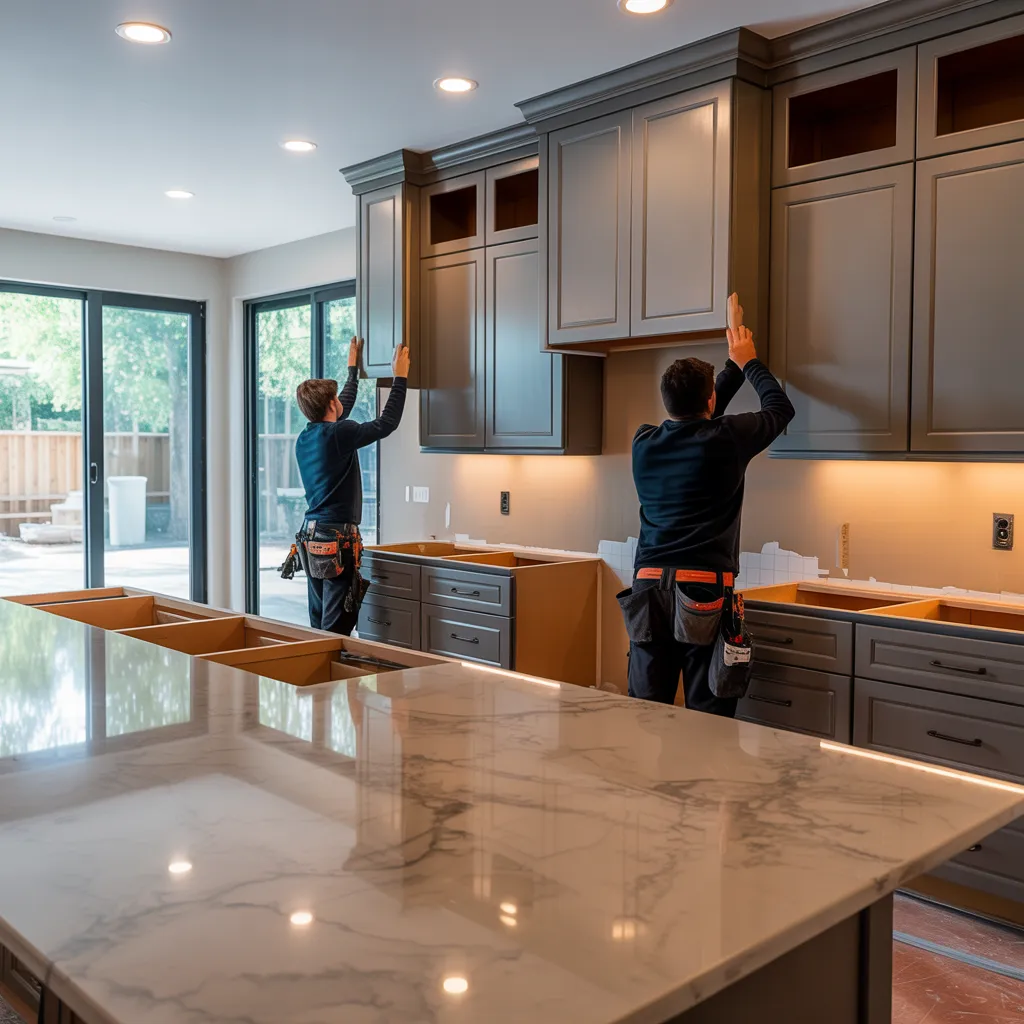
Why Selecting the Best Home Renovation Contractor Is Essential
Selecting the right remodeling contractor can significantly influence the result of any residential renovation. A skilled contractor not only provides knowledge and proficiency but also promotes clear dialogue and collaboration throughout the renovation timeline. This partnership guarantees that the homeowner's goals is accurately translated into reality, reducing misunderstandings and expensive errors.
Furthermore, a reputable contractor often has established relationships with suppliers and subcontractors, which can lead to improved rates and access to premium supplies. Timeliness is another vital factor; a reliable contractor adheres to schedules, thereby reducing construction setbacks and inconvenience.
Conversely, hiring an inexperienced or unsuitable vendor can result in poor-quality workmanship, budget overruns, and lengthened timeframes. Thus, the importance of careful selection cannot be overstated, as it ultimately determines the accomplishment, caliber, and satisfaction derived from the completed work.
Critical Features to Evaluate in a Home Renovation Contractor
When searching for a home renovation expert, multiple important qualities can significantly impact the overall outcome. First and foremost, strong communication abilities are crucial, enabling transparent conversations about project expectations and timelines. Reliability is another key trait; a dependable builder should consistently meet deadlines and maintain budgets.
Experience is notably significant as well; a specialist with a track record of success in comparable projects can deliver useful insights and creative solutions. Additionally, careful focus on specifics is critical, ensuring that both visual appeal and practical function are factored in in the design process.
In closing, a solid portfolio showcasing previous work can foster confidence in the contractor's abilities. By emphasizing these traits—communication, consistency, experience, precision, and a solid portfolio—homeowners can make thoughtful choices when engaging a remodeling contractor, ultimately leading to a successful redesign of their space.
What Types of Renovation Projects Are Trending?
Which types of remodeling projects attract homeowners' attention these days? Kitchen and bathroom remodels dominate the market, since these spaces significantly improve both practicality and visual appeal. Homeowners regularly desire modern layouts, energy-efficient appliances, and luxurious finishes. Open-plan living spaces also continue favored, allowing for seamless shifts between spaces and developing a more welcoming atmosphere.
Outdoor recreational areas are rising in prevalence, with components like decks, patios, and outdoor kitchens becoming necessary for social entertaining. Basements are being reimagined into multi-purpose areas, serving as home offices, gyms, or extra living areas. Additionally, eco-focused initiatives are accelerating, with homeowners embracing sustainable designs and eco-friendly materials.
Finally, smart home technology integration is increasingly sought after, allowing homeowners to control illumination, safety systems, and temperature regulation with simplicity. These remodeling trends reflect a preference for improved quality of life, customized to personal tastes and daily routines.
Guide to Assessing Possible Contractors
Finding the right remodeling contractor is a vital step in ensuring a successful home project. To evaluate potential contractors, one should start by reviewing their credentials, such as licenses and coverage. Verifying these credentials safeguards against legal exposure and ensures adherence with local regulations.
Next, reviewing collections of past work gives insight into the builder's approach and workmanship. Client testimonials and recommendations can provide valuable perspectives on reliability and professionalism. It is also important to consider the contractor's expertise in specific types of remodeling projects that match the property owner's vision.
Furthermore, requesting various bids supports a thorough evaluation of fees and offerings. Transparent dialogue throughout the selection process shows competence and availability. Ultimately, picking a contractor who corresponds with both project specifications and core beliefs can substantially affect the final outcome of your renovation.
What Important Matters Should You Raise Before Bringing On a Professional?
When hiring a remodeling contractor, it is crucial to ask specific questions that reveal their credentials. Key areas of inquiry include their knowledge and experience, as well as their insurance and licensing status. Furthermore, comprehending the projected timeline and costs associated with the project will ensure a smooth collaboration.
Background and Expertise
Assessing the experience and expertise of a remodeling contractor is important for a successful project. Homeowners should request information on the contractor's experience duration, concentrating on their areas of remodeling focus. It's advantageous to ask for a portfolio displaying completed projects, as this offers insight into the contractor's build quality and creative vision. Moreover, potential clients should seek client testimonials from previous clients to measure satisfaction and reliability. Comprehending the contractor's method of managing projects, timelines, and communication styles can further clarify their expertise. Lastly, discussing any ongoing training or certifications can demonstrate a commitment to keeping abreast with industry innovations and techniques, guaranteeing a superior outcome for the remodeling job.
Licensing and Insurance
It is crucial to ensure a remodeling contractor has the required licensing and insurance to protect both the homeowner and the success of the project. Homeowners should inquire about the contractor’s licensing, checking it matches local regulations and industry standards. A valid license represents that the contractor has met required qualifications and has the necessary skills. Insurance is equally important; it protects against potential liabilities, such as accidents or property damage during the remodel. Homeowners should ask for proof of insurance coverage, including general liability and worker’s compensation. This proof not only reduces risk but also promotes trust in the contractor’s professionalism. In conclusion, careful checks on licensing and insurance are critical steps in the hiring process for a remodeling contractor.
Timeline and Monetary Aspects of the Project
A thorough grasp of the schedule and expenses is crucial for homeowners before hiring a remodeling contractor. Homeowners should inquire about the projected timeframe of the project, including important checkpoints and possible setbacks. It is important to ask for a comprehensive itemization of costs, encompassing materials, labor, and any extra fees that may arise.
Contractors must offer a clear payment schedule, detailing when payments summary are due and the conditions for each phase of the project. Homeowners must also talk about any contingency plans for unexpected problems that might impact both timeline and budget. By addressing these elements upfront, homeowners can choose wisely and reduce misunderstandings, guaranteeing a smoother remodeling experience.
Planning Your Residential Renovation Budget
How can property owners effectively allocate funds for a remodeling project? A carefully planned financial plan is essential for ensuring that costs remain manageable. First, homeowners should establish a distinct plan of their project, detailing specific goals and desired outcomes. Next, they should investigate typical prices for materials and labor in their area to create realistic estimates. It's advisable to reserve an extra 10-20% of the total financial allocation for unforeseen expenses, which can commonly arise during renovations.
Prioritizing expenditures is essential; homeowners should distinguish between must-haves and nice-to-haves, permitting adjustments if needed. Consulting with a trustworthy remodeling contractor can provide insights into potential savings and budget-friendly alternatives. Additionally, homeowners should stay flexible and receptive to adjustments throughout the process, as this adaptability can lead to a better outcome. Overall, careful planning and proactive budgeting can significantly improve the remodeling experience.
Advice for an Easy Renovation Undertaking
In any remodeling undertaking, open dialogue between homeowners and contractors is essential in ensuring success. Creating achievable timelines from the outset helps manage expectations and lessens stress throughout the process. By focusing on these aspects, homeowners can create a more streamlined and enjoyable remodeling journey.
Clear exchange of information is important
Strong interaction serves as the foundation of an successful remodeling initiative. A clear sharing of concepts between the homeowner and builder ensures that goals correspond from the outset. Regular updates and check-ins support address concerns before they worsen, nurturing a collaborative environment. Property owners should communicate their concept, budget, and preferences explicitly, while builders must provide transparent schedules and progress reports. Using visual aids, such as sketches or samples, can further strengthen comprehension. Additionally, establishing a primary point of contact decreases confusion and expedites dialogue. By prioritizing clarity, both parties can address obstacles proficiently, leading to a easier remodeling experience. Eventually, open dialogue creates trust and satisfaction, assuring the project fulfills the property owner's aspirations.
Establish Practical Timelines in Beforehand
Setting practical schedules is a vital aspect of planning a remodeling undertaking. Homeowners should collaborate with their contractor to create a clear timeline that accounts for various phases, including design, approvals, and construction. Recognizing that unexpected challenges might arise, like postponements in supply shipment or weather-related interruptions,
Frequently Asked Questions
What timeline can I anticipate for my remodeling project to be done?
Typically, a remodeling project can take anywhere from a few weeks to several months, depending on the range, complexity, and size of the project. Effective planning and open dialogue can help optimize the timeline considerably.
What Protections Do Remodeling Contractors Usually Present?
Remodeling contractors generally provide protections ranging from one to ten years, including craftsmanship and supplies. These protections guarantee protection against defects, providing homeowners assurance concerning the quality and durability of their remodeling projects.
Is it possible to view examples of past Projects?
Most remodeling contractors offer collections displaying past jobs. These examples often feature photographs and client testimonials, offering insights into their workmanship and aesthetic, helping potential customers imagine the contractor's capabilities and quality of work.
How Do You Manage Unforeseen Problems During Renovation?
The contractor manages unexpected issues by executing detailed reviews, keeping open communication with clients, and employing innovative problem-solving strategies. This proactive approach confirms streamlined outcomes while reducing setbacks and maintaining project quality throughout the remodeling process.
Will I Be Required to Acquire Permits for My Undertaking?
Yes, getting permits is often required for renovation work. Rules differ by location and project scope, so it is essential to check local building codes and speak to professionals to guarantee compliance and prevent potential fines.